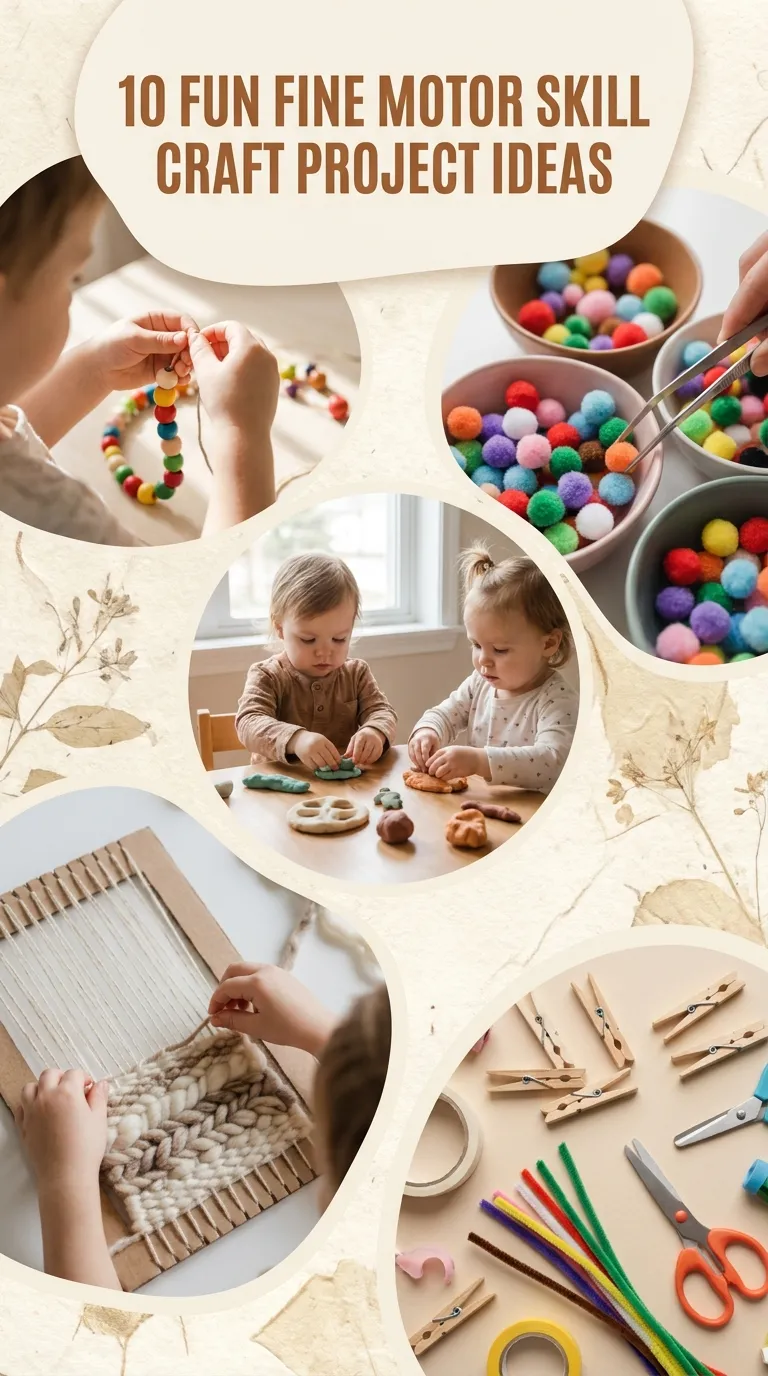
Fine motor skills—the coordination of small muscles in movements involving the hands, fingers, and eyes—form the foundation for essential life activities such as writing, buttoning shirts, using utensils, and cutting with scissors. While specialized occupational therapy toys exist, everyday household items offer equally effective, engaging, and cost-free opportunities for children to build hand strength, finger isolation, and precision.
Transforming recycling bin treasures and kitchen staples into craft projects keeps children creatively stimulated while training their developmental mechanics.
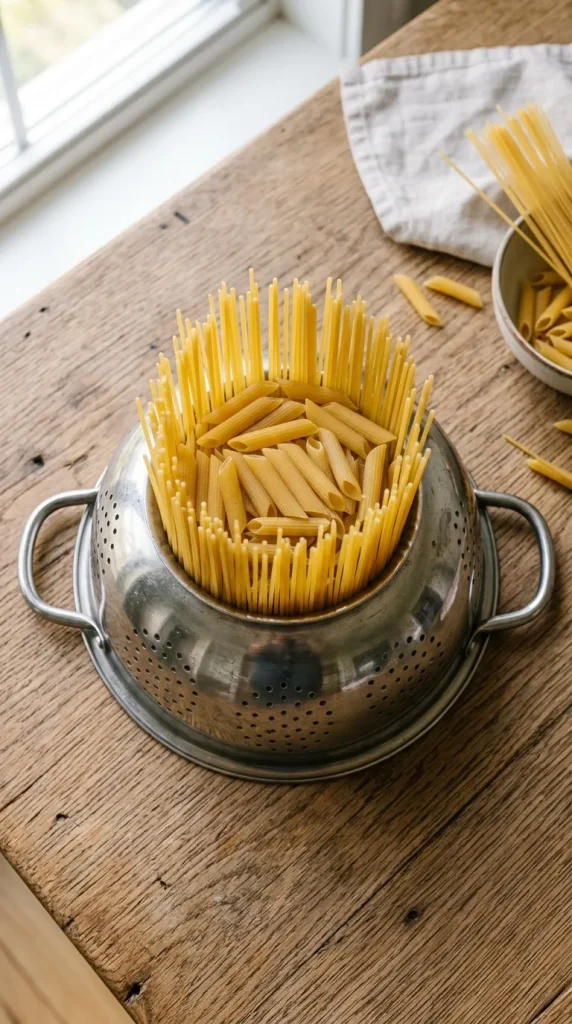
1. Spaghetti and Colander Sculptures
- Core Skills: Pincer grasp, hand-eye coordination, spatial awareness.
- Materials: Dry spaghetti noodles, an overturned colander, playdough (optional), dry penne pasta.
Turn a kitchen colander upside down on a table. Provide uncooked spaghetti noodles and encourage your child to thread each strand into the individual holes of the colander. To increase the complexity, slide tubular pasta beads (like penne or rigatoni) onto the standing spaghetti towers. This activity forces the thumb and index finger to work together in a delicate pincer grasp, teaching the child how much pressure to exert without snapping the brittle noodles.
2. Cardboard Tube Threading
- Core Skills: Bilateral coordination, two-handed manipulation, visual-spatial tracking.
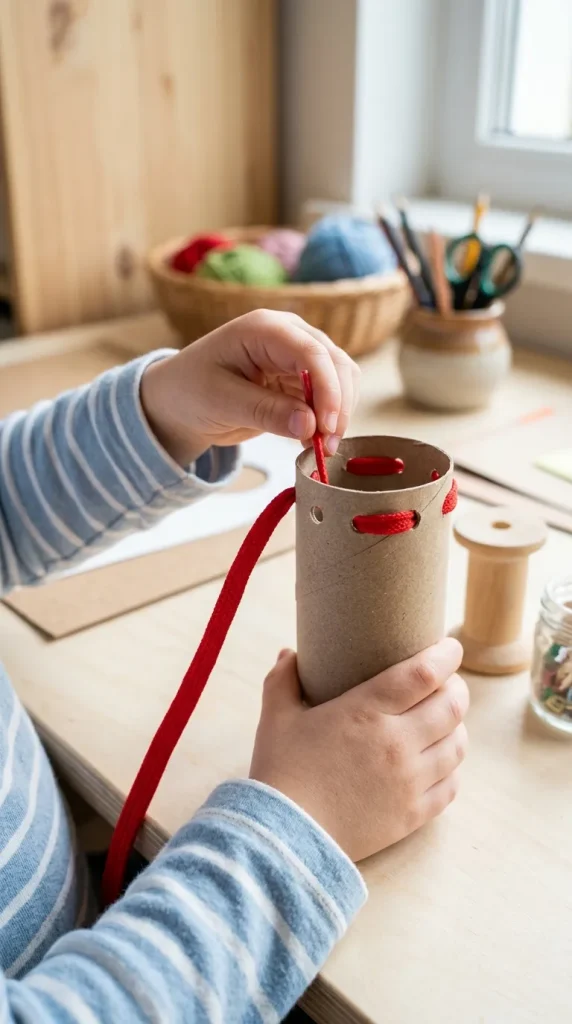
- Materials: Toilet paper or paper towel tubes, hole puncher, shoelace, yarn, or pipe cleaners.
Punch random holes throughout an empty cardboard tube. Tie a knot on one end of a shoelace or yarn wrapped with tape on the tip. Have your child thread the lace through the holes, creating intricate crisscross patterns inside and outside the tube. Holding the tube steady with the non-dominant hand while guiding the lace with the dominant hand targets bilateral coordination, a foundational skill required for tying shoes and cutting paper.
3. Q-Tip Pointillism Dot Art
- Core Skills: Tripod grasp development, wrist stability, finger pressure regulation.
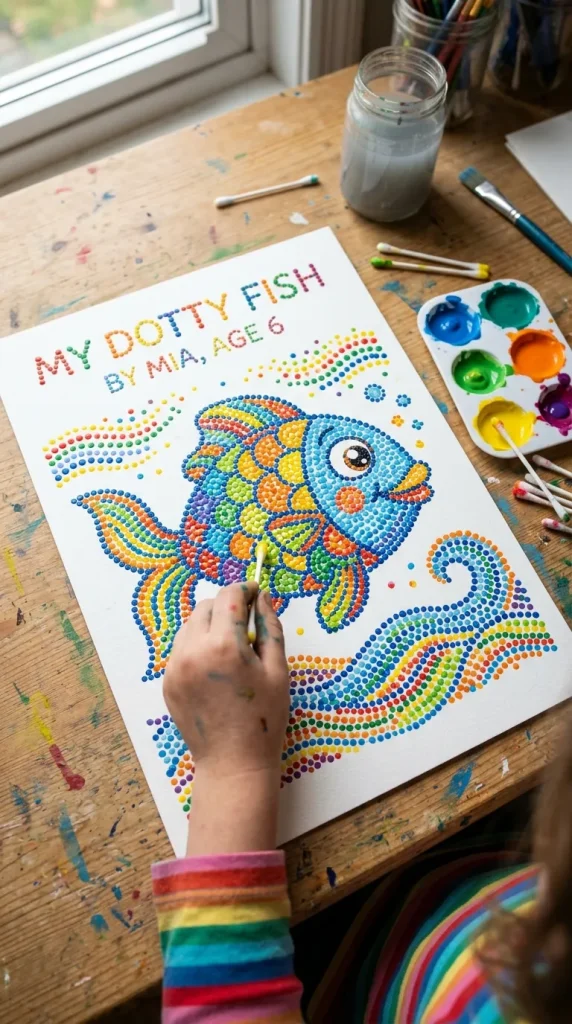
- Materials: Cotton swabs (Q-tips), washable paint, scrap cardboard or printer paper.
Instead of broad-handled paintbrushes, offer cotton swabs dipped in washable paint. Draw simple outlines—such as trees, fish, or geometric shapes—and ask your child to fill the shapes by stamping discrete dots rather than dragging strokes. Because cotton swabs are short and thin, they naturally force children out of an immature fist grip and into a functional tripod grasp, directly preparing the small hand muscles for pencil control.
4. Clothespin Feeding Monsters
- Core Skills: Finger strength, web space development, palmar arch activation.
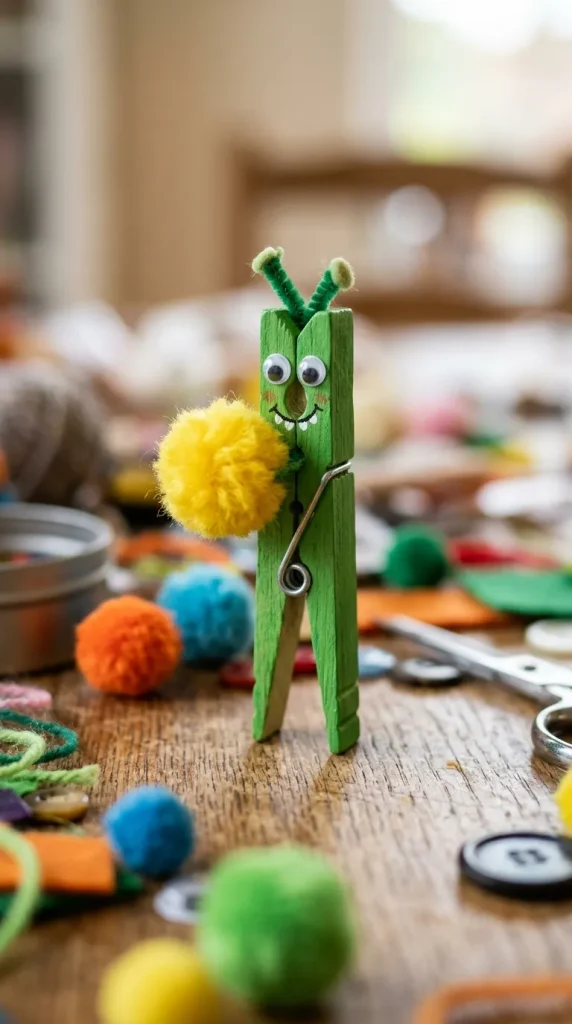
- Materials: Wooden or plastic spring clothespins, markers, scrap cardboard, small pom-poms or dried beans.
Draw little monster or animal faces directly on the pinching ends of spring clothespins so that pressing the clip looks like the mouth is opening. Challenge your child to squeeze the clothespin open to “feed” the monster by picking up small cotton balls, scraps of paper, or dried beans and transferring them into a cup. Squeezing against the resistance of the spring strengthens the intrinsic muscles of the thumb and index finger, creating the arch strength needed for handwriting endurance.
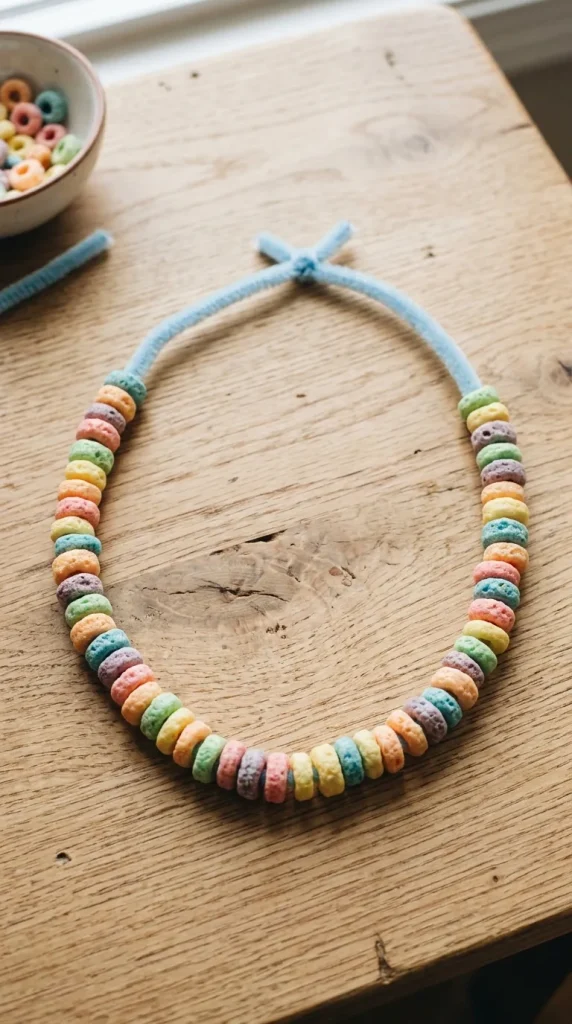
5. Cereal and Pipe Cleaner Necklaces
- Core Skills: In-hand manipulation, precision release, finger-thumb opposition.
- Materials: O-shaped cereal (like Cheerios), pipe cleaners or thick yarn.
Threading round cereal pieces onto a semi-rigid pipe cleaner provides the perfect low-frustration entry point for young crafters before moving onto floppy string. As children pick up single cereal loops, rotate them in their fingertips, and slide them down the wire, they practice in-hand manipulation—the ability to move objects within the hand without using the other hand for help.
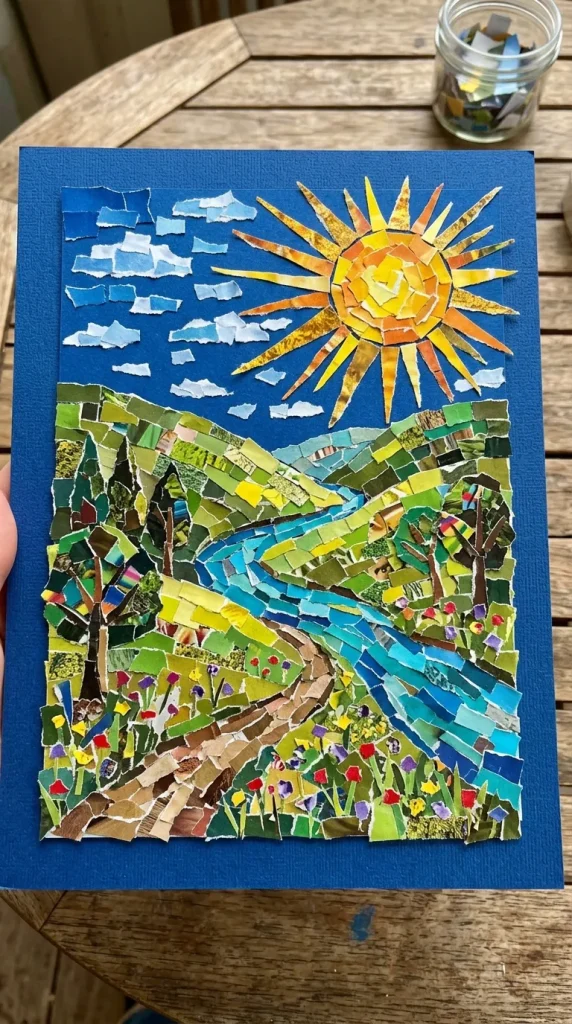
6. Torn Paper Mosaic Collage
- Core Skills: Bilateral tearing, intrinsic hand control, fingertip precision.
- Materials: Colorful magazine pages, junk mail, construction paper scraps, glue stick, cardstock.
Before children learn to cut with scissors, tearing paper builds the precursor strength. Draw an outline on a piece of paper, then provide colorful scrap paper. Instruct your child to pinch the paper with both thumbs and index fingers, ripping it in opposite directions to create small pieces, and gluing them down to create a mosaic. The deliberate opposite pulling motions isolate the muscles of both hands simultaneously.
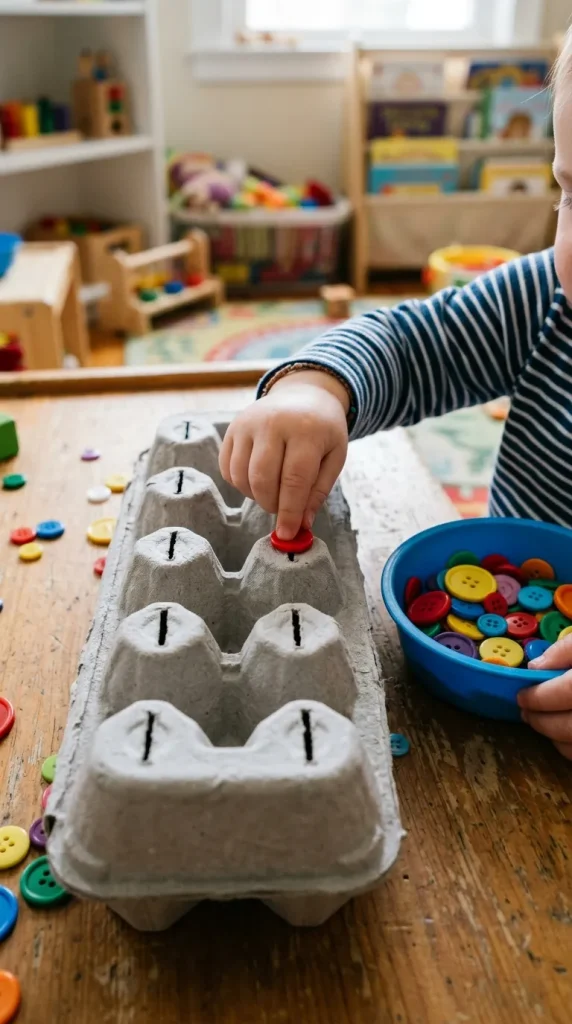
7. Egg Carton Button and Coin Drop
- Core Skills: Wrist flexion, finger isolation, release control.
- Materials: Empty cardboard egg carton, craft knife (adult use), plastic buttons, coins, or dry beans.
Use a craft knife to cut small slits into the top of each cup on a closed egg carton. Label each slot with a color or number, and let your child post buttons or coins into the corresponding slots. The action of lining up a flat object with a narrow slot exercises the wrist’s rotation and trains precise release control, an often-overlooked aspect of dexterity.
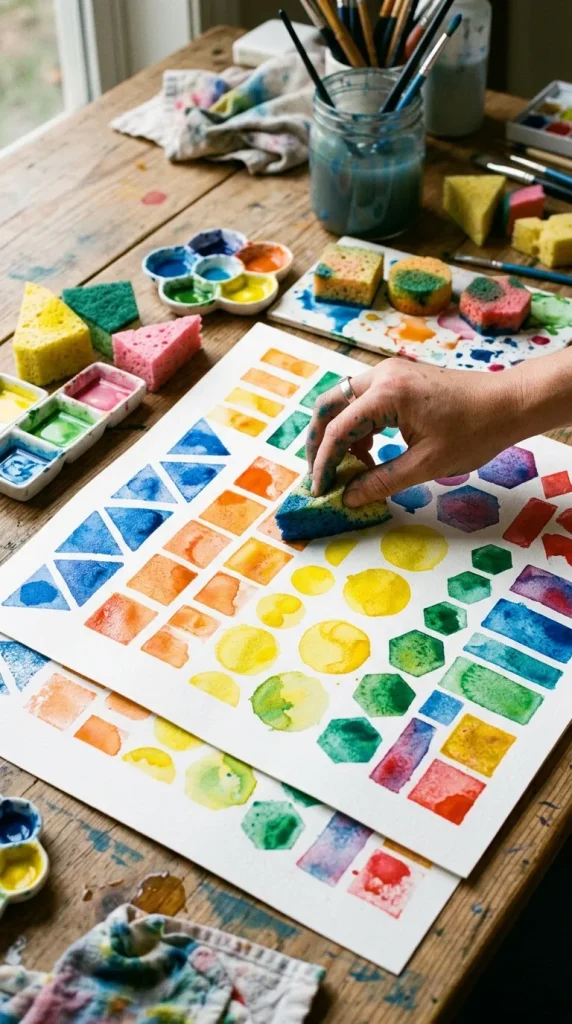
8. Sponge Squeeze Water Painting
- Core Skills: Gross-to-fine motor bridge, palmar grasp squeeze, hand regulation.
- Materials: Clean kitchen sponges cut into fun shapes, shallow bowls of tinted water, heavy watercolor paper or cardboard.
Cut standard dish sponges into strips, geometric shapes, or animal silhouettes. Set up small bowls filled with water tinted with food coloring. Children dip the sponge, squeeze out the excess with varying levels of controlled pressure, and stamp it onto paper to make vibrant watercolor prints. Modulating how much to squeeze teaches muscle resistance and builds gross grip strength.
9. Bubble Wrap Fine Motor Popper Art
- Core Skills: Isolated index finger pressing, sensory feedback, thumb opposition.
- Materials: Leftover packaging bubble wrap, paint, paper.
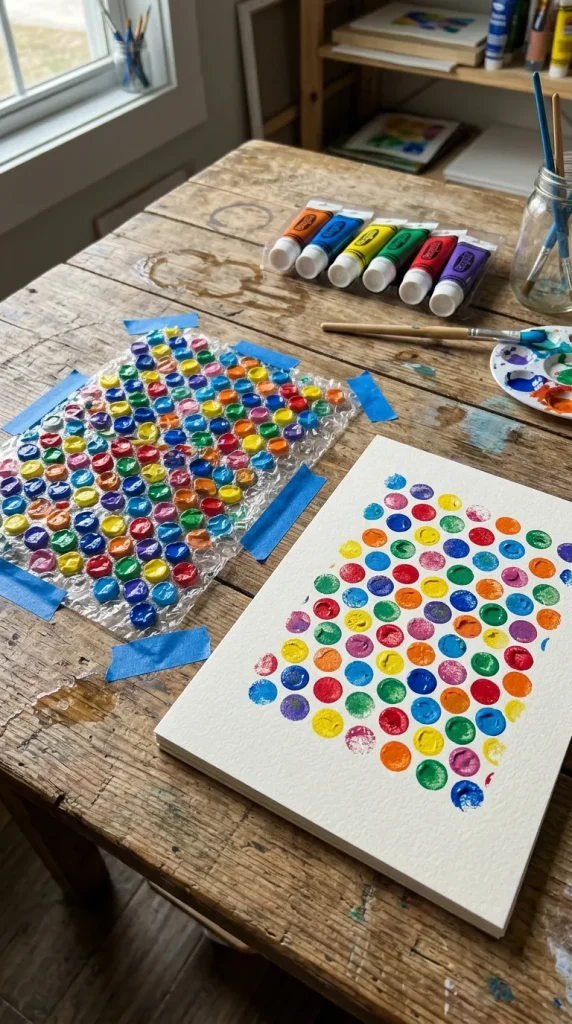
Tape a sheet of small-bubble packaging wrap to a flat table. Have your child pinch and pop individual bubbles using only their thumb and index finger, or press specific bubbles using a single index finger to form letters and shapes. Once popped, brush a thin layer of paint across the textured surface and press paper over it to create a honeycomb-style print.
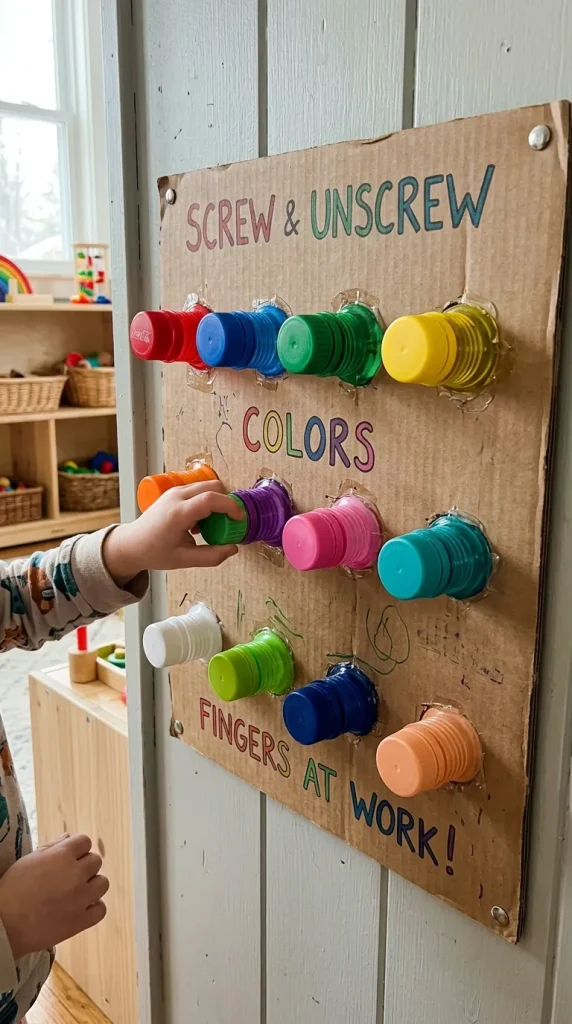
10. Twist-Cap Matching Board
- Core Skills: Supination and pronation (wrist rotation), fingertip coordination, spatial matching.
- Materials: Empty plastic squeeze pouch tops or plastic bottle caps with their threaded necks, sturdy cardboard, glue.
Cut the threaded necks off clean plastic bottles or food pouches and glue them firmly onto a piece of sturdy cardboard. Paint the inside of each opening and the corresponding cap with matching colors or symbols. Children must stabilize the board with one hand while using their fingertips to align, twist, and tighten the caps onto the matching threads. The rotational twisting motion develops wrist mobility essential for turning doorknobs and opening jars.