Urbanization and modern architectural trends have reshaped living spaces, often reducing backyards to modest balconies, compact patios, or tiny urban yards. However, limited square footage should never prevent you from cultivating a thriving green sanctuary. With thoughtful spatial planning, strategic planting techniques, and creative layout structures, small spaces can yield impressive flower displays, fresh organic herbs, and abundant harvests. The secret lies in treating every surface—vertical walls, overhead overheads, and floor perimeters—as valuable growing real estate.
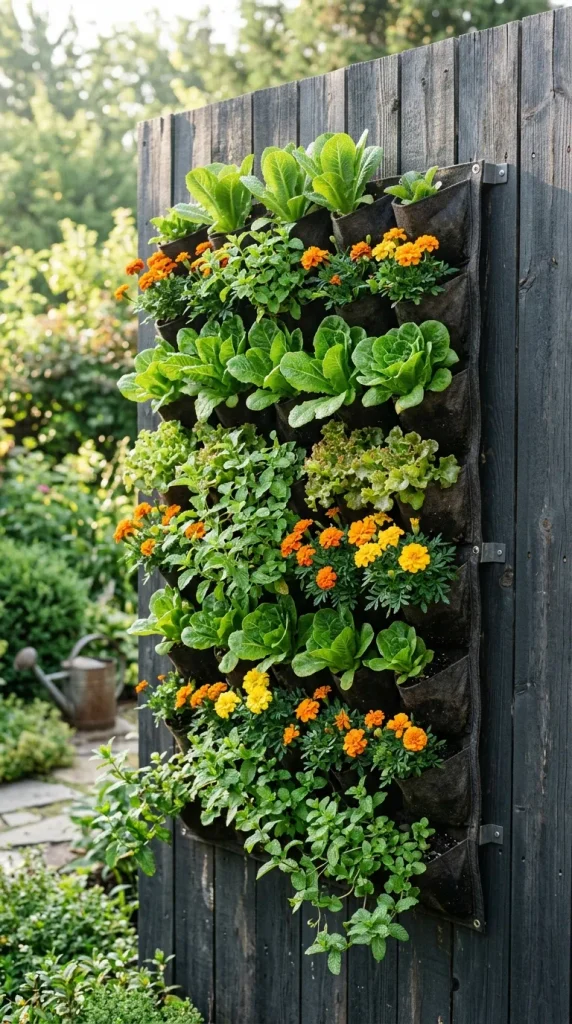
1. The Vertical Shelving and Wall Grid Layout
When floor space is scarce, building upward is the most logical strategy. A vertical layout utilizes free wall space, fences, or tall shelving units to stack plants vertically. Using wall-mounted pockets, modular vertical planters, or multi-tiered wooden ladder shelves, you can cultivate dozens of plant varieties within a footprint no larger than a standard welcome mat. This layout works exceptionally well for shallow-rooted plants like lettuce, strawberries, thyme, and ornamental succulents. Beyond saving floor space, vertical arrangements elevate plants closer to eye level, making maintenance, pruning, and harvesting easier while creating an immersive wall of greenery.
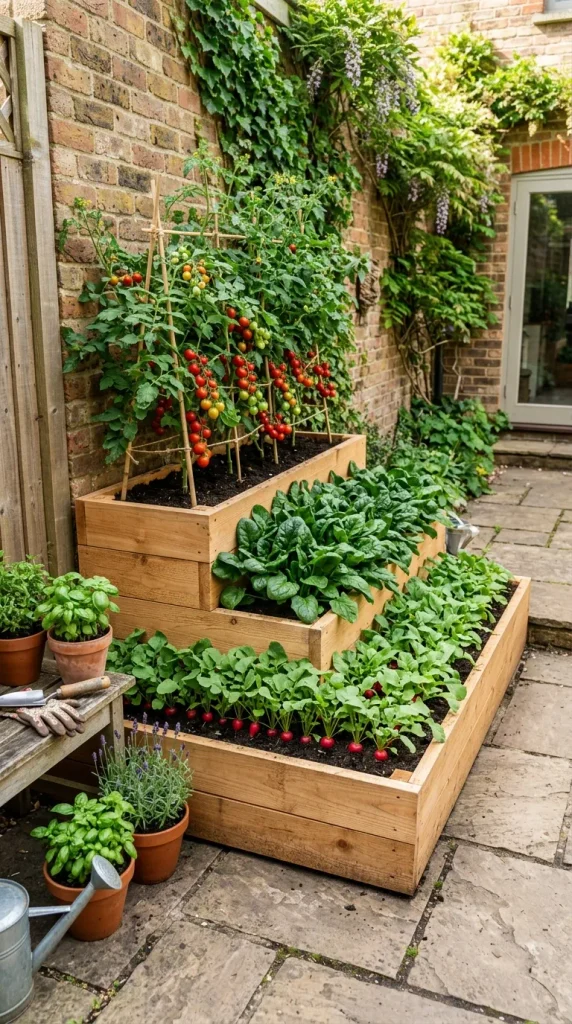
2. Tiered Raised Bed Layout
Tiered or stepped raised beds use a stair-step structure to maximize sunlight exposure and soil volume in tight corners. By arranging planters in descending levels, taller plants like tomatoes or sunflowers occupy the top step without blocking sunlight from lower-growing crops like spinach, radish, or bush beans situated below. This layout optimizes sun distribution, improves drainage, and allows you to group plants with similar light and watering needs together. The elevated steps also introduce dynamic architectural height, turning an otherwise flat patio corner into a dramatic, multi-level focal point.
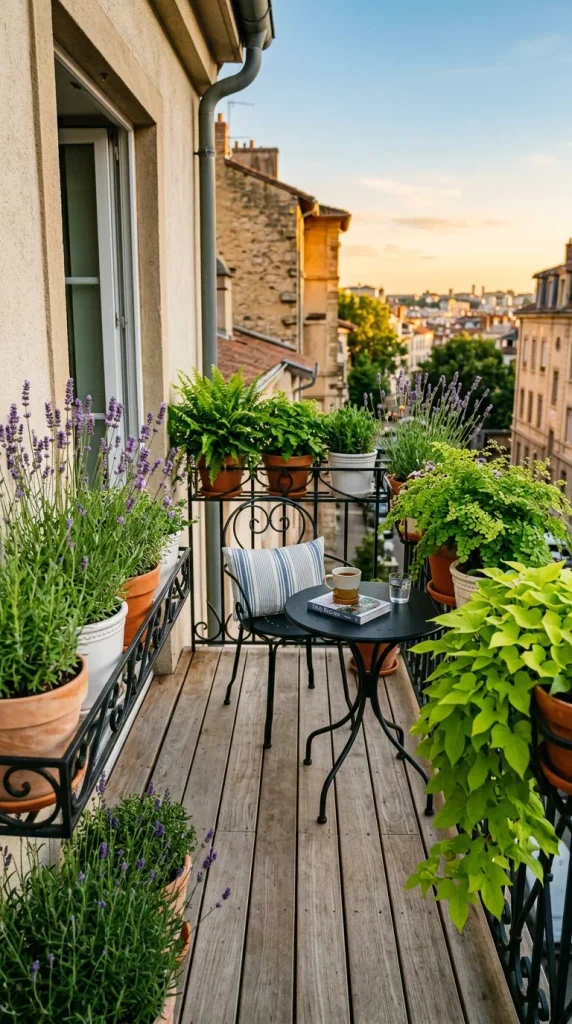
3. Perimeter Container Layout
Keeping the center of a small courtyard, balcony, or patio clear creates an illusion of openness while preserving room for seating. The perimeter container layout positions varied planters along fences, railings, and outer walls, forming a continuous border of foliage. To maintain visual interest without cluttering the walk path, blend tall, narrow glazed pots with low, wide troughs. Placing cascading vines like trailing ivy, petunias, or sweet potato vine in rail-mounted planters softens hard boundaries, creating a cozy, secluded garden enclosure.
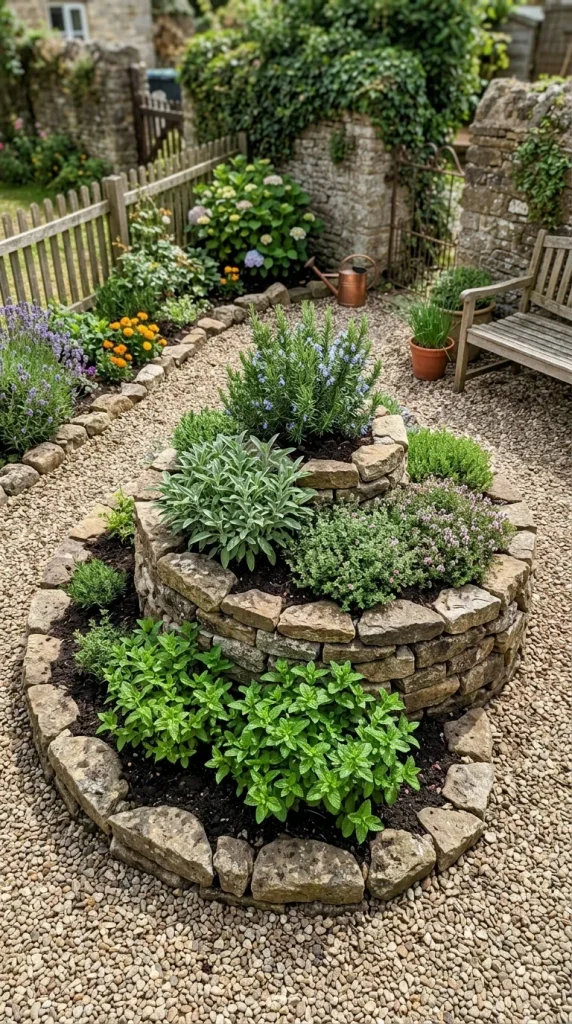
4. Keyhole and Spiral Herb Layout
Inspired by permaculture principles, keyhole gardens and herb spirals condense high yields into compact circular spaces. A central pathway or access point allows you to reach every plant without stepping on the soil. Herb spirals, built upward using stones or bricks, create varying microclimates in a single footprint: the top remains hot and dry (ideal for rosemary and oregano), while the base retains moisture and shade (perfect for mint, parsley, and chervil). This layout packs maximum biodiversity into a small diameter, offering an efficient, self-sustaining culinary garden right outside your kitchen door.
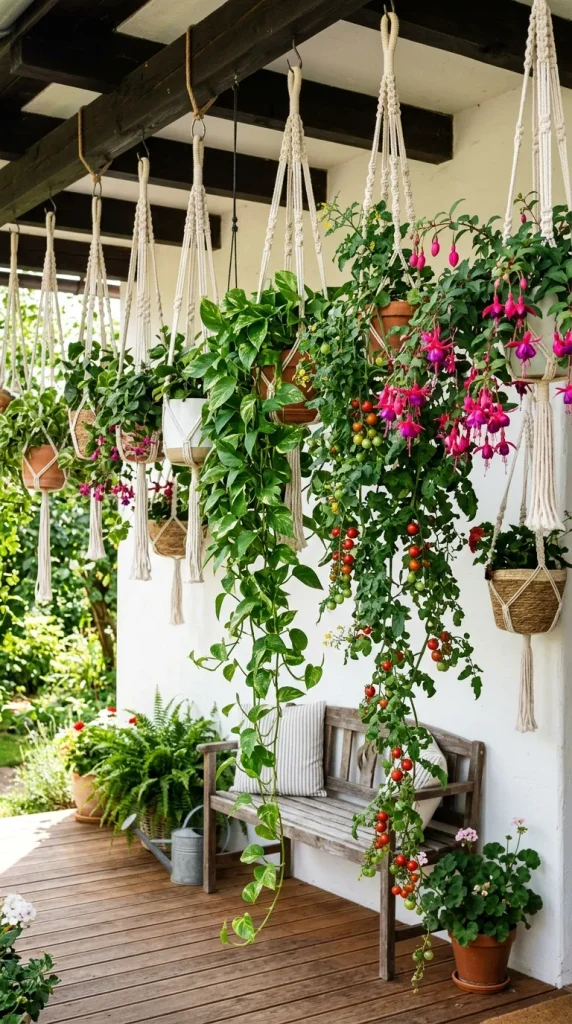
5. Hanging Canopy Layout
When ground and wall space are fully occupied, look up to the ceiling, pergola, or overhang. A hanging canopy layout uses ceiling hooks, tension rods, or overhead beams to suspend pots at varying heights. Trailing varieties such as pothos, string of pearls, cherry tomatoes, and trailing fuchsias thrive in overhead conditions. Staggering the drop lengths creates a multi-layered, floating jungle effect that draws the eye upward, making compact spaces feel taller and airier. Hanging planters also protect sensitive foliage from ground pests and pet interference.
6. Square Foot Gardening Layout
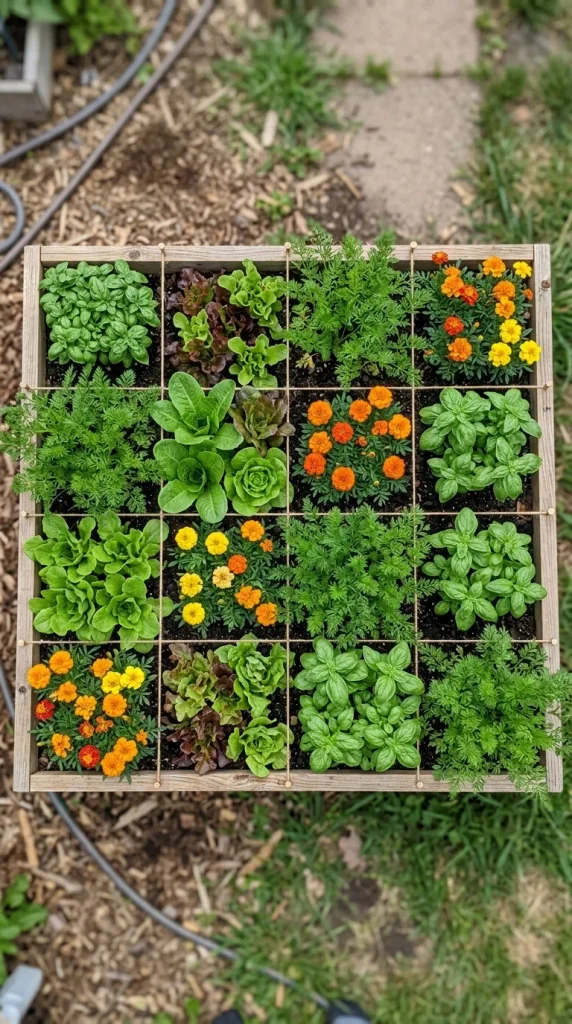
Developed as an intensive planting method, Square Foot Gardening organizes a single 4×4 or 2×2 raised bed into a neat grid of 1-foot squares. Rather than traditional long rows that waste walking space, each square is planted with a specific density based on plant size (e.g., 1 tomato per square, 4 lettuce heads, 9 spinach plants, or 16 radishes). This highly structured layout eliminates wasted soil, minimizes weed growth, optimizes water usage, and provides high crop rotation efficiency in minimal square footage.
7. Modular Cube and Rolling Cart Layout
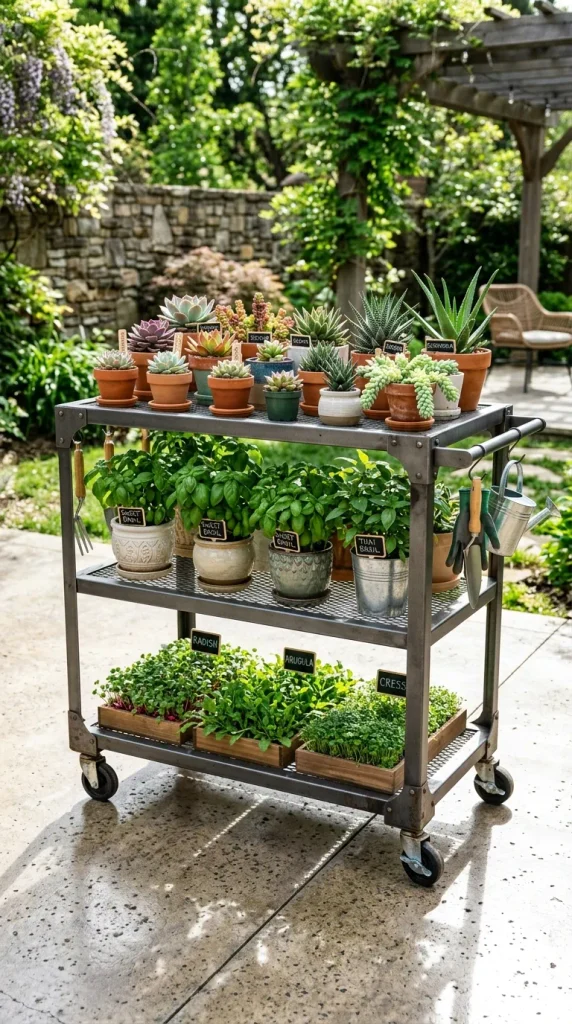
Flexibility is crucial in multi-purpose small spaces. A modular layout uses movable elements like wheeled planter carts, modular stackable pots, and mobile plant caddies. Rolling carts can be moved throughout the day to follow moving sun patterns or shifted aside to clear patio space for entertaining. Modular stackable planters allow you to expand your garden vertically over time. This adaptable setup is particularly useful for renters who need portable solutions or spaces that experience shifting shade throughout the seasons.
8. L-Shaped Corner Pocket Layout
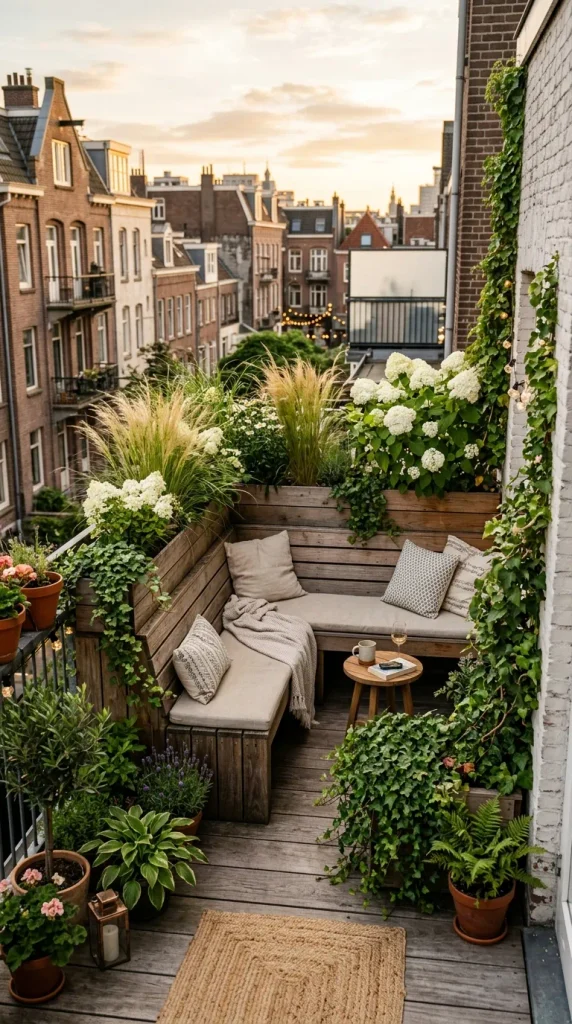
Unused corners in small yards or balconies often become dead zones. An L-shaped layout fits neatly into tight 90-degree intersections along walls or balcony railings, turning awkward corners into productive growing areas. By combining built-in corner benches with integrated planter boxes behind or beside the seating, you combine relaxation space with lush greenery. Plant tall architectural plants like bamboos or ornamental grasses in the apex of the corner, tapering down to small flowering perennials along the wings.
9. Window Box and Railing Planter Layout
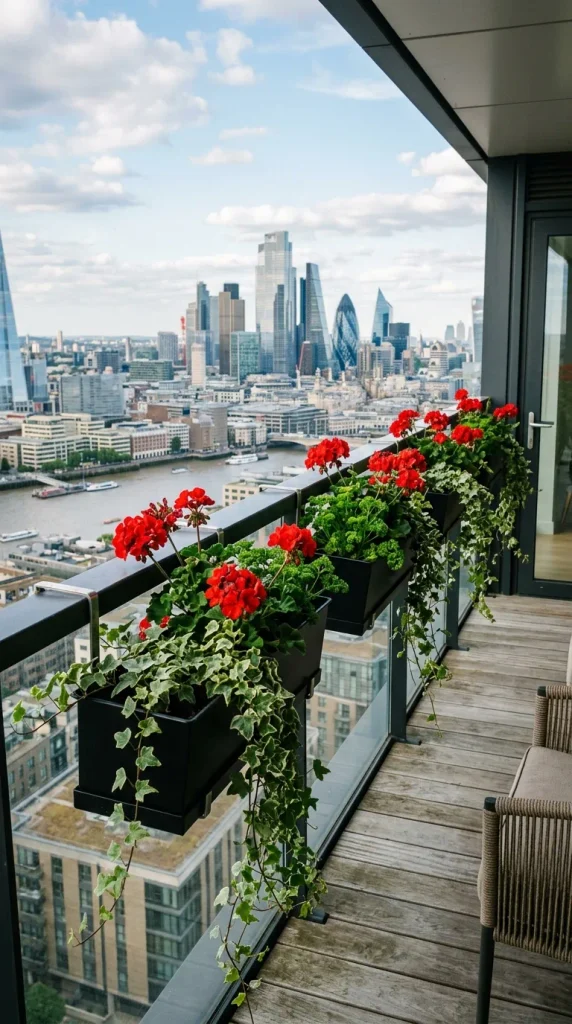
Window sills and balcony railings represent underutilized exterior real estate. Mounting secure trough planters directly to window frames or railing bars expands your growing space completely outside your floor plan. Window boxes add curb appeal from the outside while framing interior views with fresh blossoms or aromatic herbs. When designing this layout, prioritize drought-tolerant species or lightweight potting mixes, as rail and window planters dry out faster due to increased wind exposure.
10. Floating Shelf and Ladder Trellis Layout
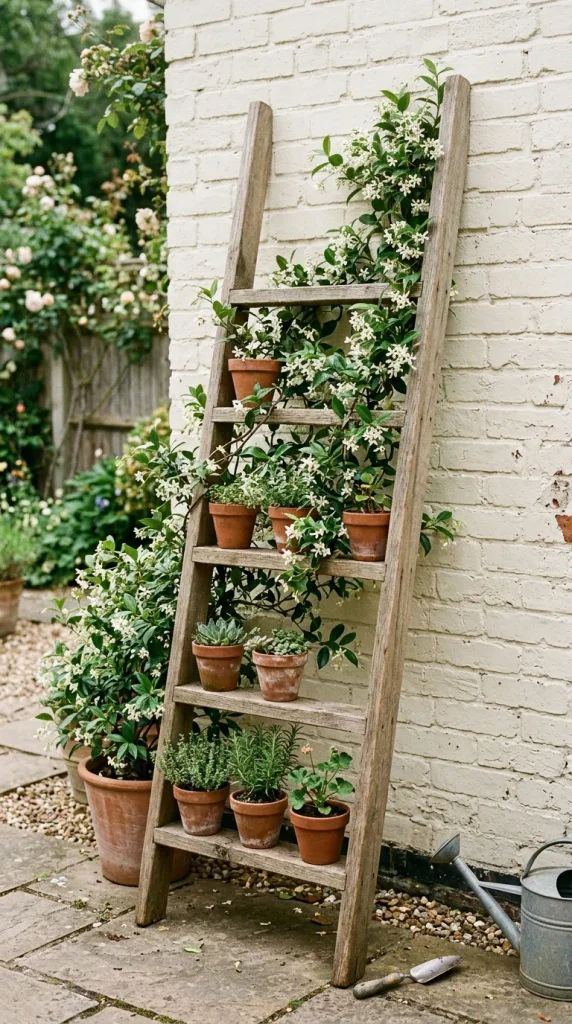
Combining wall-mounted floating shelves with lean-to ladder trellises yields a clean, Scandinavian-inspired garden layout. A wooden ladder leaned against a wall provides rungs for climbing vines like sweet peas, pole beans, or clematis, while integrated floating shelves hold small potted collections. The open structure allows light to pass through, keeping the area feeling open rather than cramped. This minimal aesthetic seamlessly blends modern indoor decor styles with outdoor greenery.